Secure Your 100k Bitcoin Wallet – Ultimate Guide
Holding a significant amount of bitcoin makes strong security essential. As Bitcoin becomes more popular, the risks of holding meaningful value digitally grow with it. A secure 100k bitcoin wallet is not just nice to have; it is essential for keeping your money safe. This guide walks through wallet types, the security features that matter, setup steps, and the everyday habits that keep a large balance protected.
Key Takeaways
- Security should be a top priority for any 100k bitcoin wallet owner.
- Knowing the different wallet types helps you select the right option for a large balance.
- Multi-factor authentication adds a strong barrier against unauthorized access.
- Regular backups and software updates help prevent loss of assets.
- Physical security measures further protect hardware wallets.
Understanding Bitcoin Wallets
What Is a Bitcoin Wallet?
A bitcoin wallet works much like a bank account: you can send, receive, and manage Bitcoin with it. Wallets do not actually hold bitcoins. Instead, they store the cryptographic keys needed to access Bitcoin on the blockchain and guard the private keys that control your money. Wallets come with different features and security measures to match different needs.
Types of Bitcoin Wallets
- Hardware wallets: physical devices that keep private keys offline, making them among the most secure options available.
- Software wallets: apps on computers or phones that make access and transactions easy, but face greater exposure to online threats.
- Paper wallets: handwritten or printed private keys and addresses, kept entirely offline and very secure when stored correctly.
How Wallets Store Your Bitcoin
Wallets hold the information needed to use the Bitcoin network rather than the coins themselves. When you make a transaction, the wallet signs it digitally, proving ownership without ever exposing your private key. Understanding this is central to managing a large balance responsibly.
Key Features of a Secure Wallet
Encryption
Encryption is the foundation of a secure wallet. It stops unauthorized users from reading your data and keeps sensitive information out of reach even if a device is compromised.
Multi-Factor Authentication
Multi-factor authentication requires you to confirm your identity in more than a single way before access is granted. That extra step is one of the simplest ways to shut out unauthorized access.
Backup and Recovery Options
Backup and recovery options are must-haves. They let you restore your funds after a device failure or loss, so an emergency does not have to mean a permanent loss of your investment.
Selecting the Right Wallet for $100,000
Hardware vs. Software Wallets
Hardware wallets are the usual choice for keeping large amounts secure over the long term, because they hold private keys offline. Software wallets are easier to use for frequent transactions. Many people holding over $100,000 in bitcoin lean on hardware wallets for exactly this reason: cold storage keeps the keys away from internet-connected devices.
Top Wallets for Large Holdings
Top choices for storing 100k in bitcoin include the Ledger Nano X and Trezor Model T, both well-known for strong security features. Weigh the device and transaction costs when comparing options, as fees can differ.
Assessing Wallet Reputation
Before trusting a provider with a large balance, check its track record. Look for consistent user reviews, a solid operating history, and no pattern of unresolved security incidents.
Setting Up Your 100k Bitcoin Wallet
Step-by-Step Configuration
- Pick a trusted wallet service and download the official app.
- Open the app and choose the option to create a new wallet.
- Follow the prompts to generate a new wallet address.
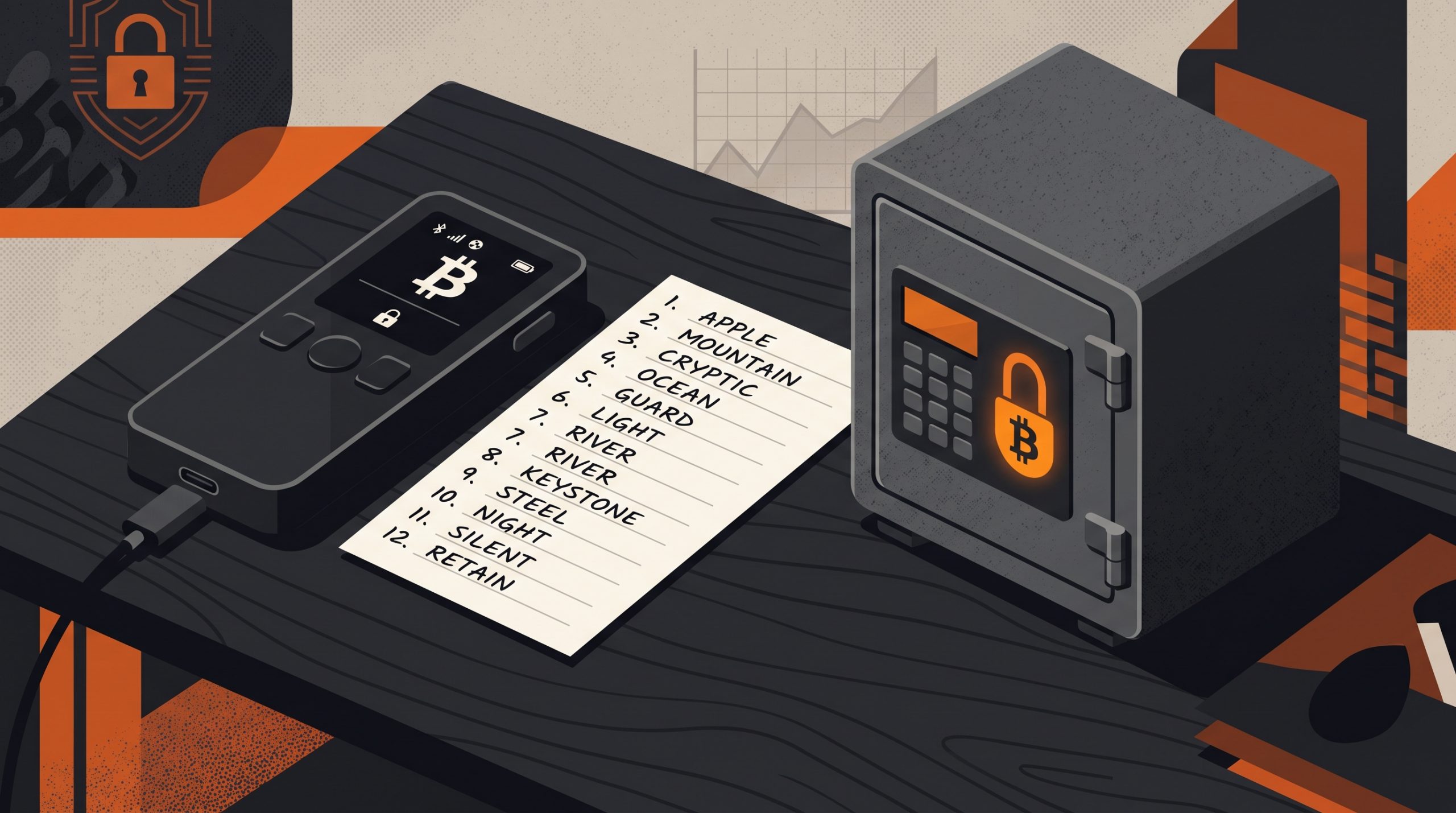
- Write down your recovery phrase and store it securely offline.
- Enable extra security measures such as multi-factor authentication.
Creating Strong Passwords
Create a password with 12 or more characters, mixing upper and lower case letters, numbers, and symbols. A strong, unique password keeps your wallet safe from unwanted access and protects your investment at its first line of defense.
Importing Existing Wallets
If you are moving from another wallet, back it up first. Then use the import option in your new wallet app and follow the instructions to enter the needed details. Consolidating assets makes management easier while keeping your savings intact.
Security Best Practices
The official wallet-security guidance at Bitcoin.org emphasizes strong backups, offline storage, encryption, multisignature protection, and safe recovery practices — the same pillars this guide builds on.
Regular Software Updates
Keep wallet software up to date. Developers release updates to fix vulnerabilities and protect against new threats, so turn on automatic updates and apply security patches promptly.
Avoiding Common Scams
Stay alert for phishing attempts, fake websites, and shady investment offers. Learning to spot these dangers before you click is one of the cheapest and most effective defenses you have.
Physical Security Measures
Hardware wallets deserve physical protection too. Keep devices in a secure spot out of sight — a locked safe or a safety deposit box works well — and avoid telling people about your cryptocurrency holdings, which lowers the chances of targeted theft.
Monitoring and Managing Your Wallet
Keeping Track of Transactions
Review your transaction history regularly. Doing so helps you catch odd activity quickly and supports smarter decisions about future trades.
Setting Alerts for Price Changes
Cryptocurrency prices can move fast. Many wallet apps let you set alerts for significant price changes on your phone, so you can respond to market moves without constantly watching charts.
Wallet Maintenance Tips
- Update software: keep your wallet software current to close security gaps.
- Back up your wallet: regular backups protect your money if a device fails.
- Use strong passwords: keep passwords complex and unique to each service.
- Monitor activity: check your transaction history for unauthorized movements.
- Spread your holdings: distributing funds across a few wallets lowers the impact of any single compromise.
Common Mistakes to Avoid
Overlooking Backups
Skipping backups is one of the costliest errors a wallet owner can make. Without a current backup and a safely stored recovery phrase, a lost or broken device can mean permanently losing access to your funds.
Ignoring Security Updates
Outdated software leaves known security holes open. Treat wallet updates as part of protecting your money, not as an optional chore.
DIY Solutions Gone Wrong
Improvised security schemes and weak passwords put valuable wallets at risk. Rely on proven security methods — established wallets, standard recovery phrases, multi-factor authentication — rather than untested homemade approaches.
Future Trends in Bitcoin Wallet Technology
Rise of Decentralized Wallets
Decentralized wallets let users hold onto their own private keys, cutting out third-party services that can introduce security issues. Trust in these self-managed options is growing.
Integration with Blockchain Platforms
Wallets are getting better at working across different blockchains, making it easier to manage and move various digital assets in an increasingly connected ecosystem.
Innovations in User Experience
Wallet makers keep improving designs and security features, such as fingerprint access, aiming for tools that are both safe and simple enough to welcome newcomers. Independent roundups published for 2026 still organize privacy-focused storage into private software wallets, air-gapped hardware wallets, and paper cold storage — see Changelly’s 2026 overview of anonymous Bitcoin wallets for how these categories compare.
Resources for Bitcoin Wallet Owners
Recommended Reading and Guides
Books, articles, and detailed guides on wallet technology and security practices help you make informed choices about protecting a large balance.
Online Forums and Communities
Communities on sites like Reddit and Bitcointalk share advice and support. Connecting with other Bitcoin holders is a practical way to sharpen your wallet-management skills.
Professional Consultation Services
For tailored advice — especially for high-value holdings — professional consultants can help you follow strong security measures and manage transactions wisely.
Frequently Asked Questions
How can I recover a lost wallet?
Your recovery seed phrase, received during setup, is the key. It can have 12-24 words and is the main way to get your funds back; without it, recovery may be impossible. Keep copies of the phrase safe in more than a single secure location.
What should I do after a hacking incident?
Act fast. Change all your passwords, tell your wallet provider about the incident, and watch your accounts for odd activity. Consider moving remaining funds to a fresh, more secure wallet and enable multi-factor authentication going forward.
Can I use multiple wallets?
Yes. Spreading Bitcoin across wallets with different recovery phrases and passwords means a single compromised wallet does not cost you everything. Adjust your wallet setup to fit how you trade and invest.
How do hardware wallets compare to software wallets for large holdings?
Hardware wallets are more secure but less convenient; software wallets are the reverse. Pick what suits your balance size and how often you transact.